Electrical Safety Equipment Checklist for Work on Installations
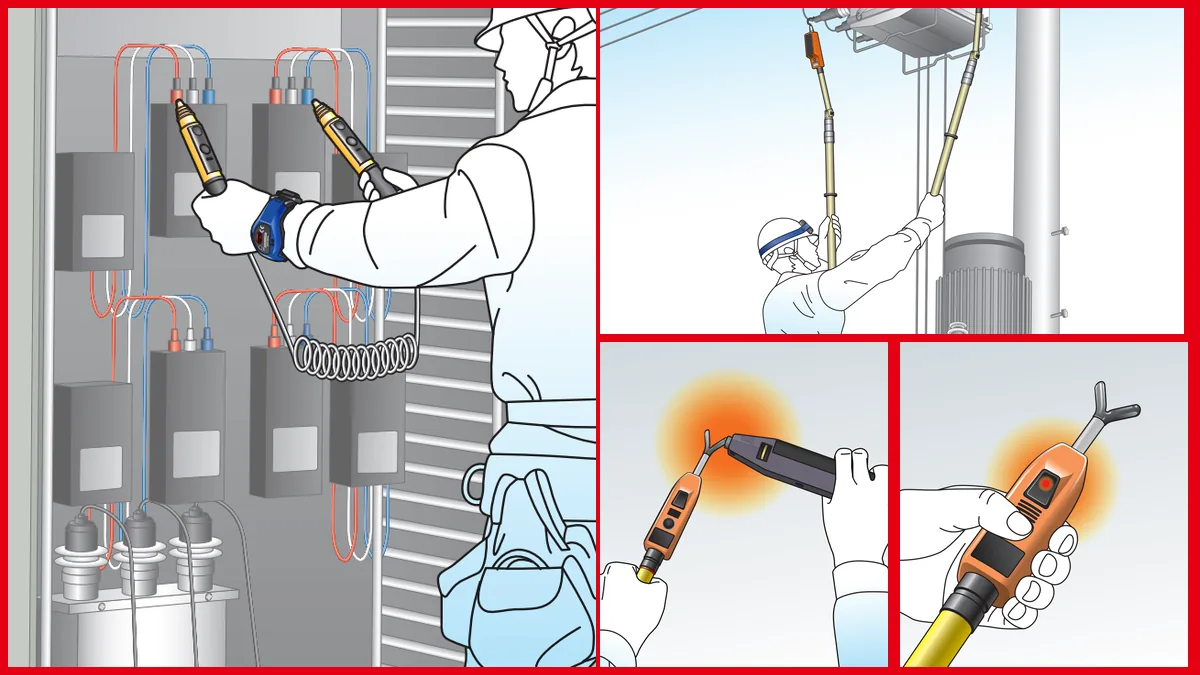
From voltage detectors to earthing sets, and from proximity alarms to discharge sticks: the core safety equipment every electrical maintenance team should carry, as a checklist.
Safety in electrical work comes from the right procedure, trained people and the right equipment working together. Across Europe, occupational health and safety law based on the EU Framework Directive 89/391/EEC requires employers to evaluate the risks to their workers and to take appropriate protective measures. In this article we have compiled the core equipment an electrical maintenance team should carry on site, in the form of a checklist.
The basic sequence for safe working
For work in a de-energised state, the internationally recognised "five safety rules" (set out in EN 50110-1) are:
- Disconnect completely (isolate from all supplies).
- Secure against re-connection (lock off, tag).
- Verify that the installation is dead.
- Carry out earthing and short-circuiting.
- Provide protection against adjacent live parts (barriers, covers).
The equipment below supports each of these steps.
1. Voltage detector
The core tool for step three, verifying that the installation is dead. Choose a model suited to the system voltage:
- Low voltage: low-voltage detectors
- Medium voltage: medium/low-voltage detectors
- High voltage: hot-stick and universal-joint high-voltage detectors
For selection criteria, see: How to choose a voltage detector
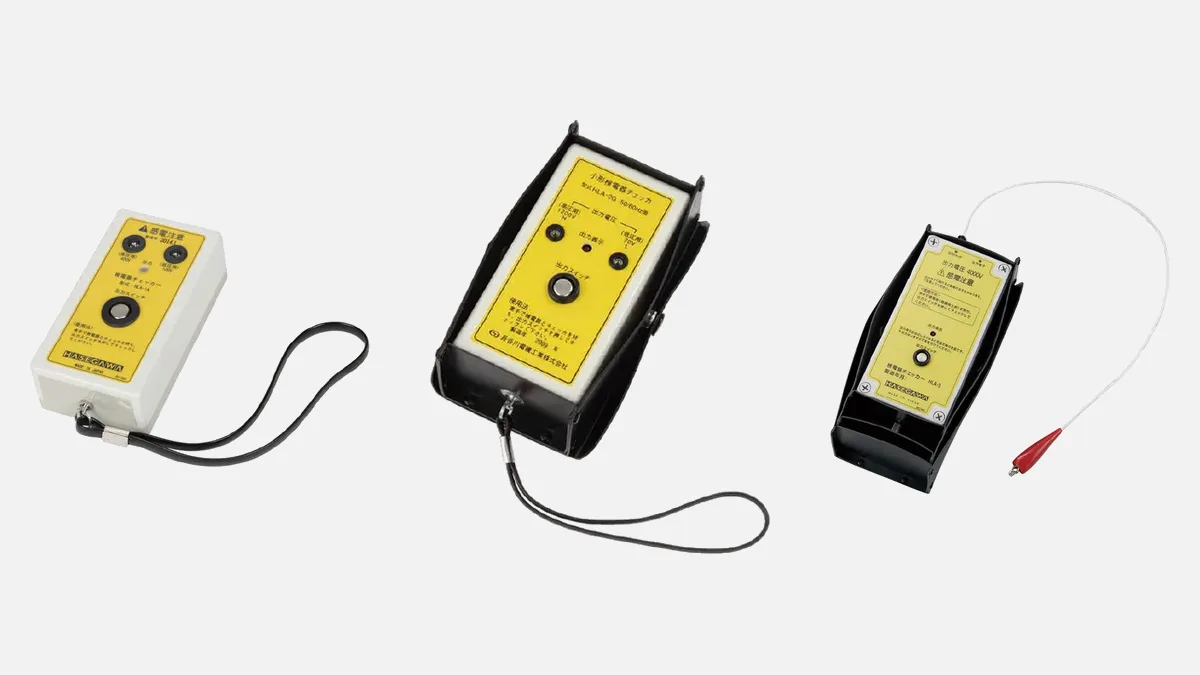
2. Voltage detector tester
A measurement taken without being sure the detector works is not reliable. Use voltage detector testers to check the detector's function before use. We explain why this matters in this article.
3. Earthing and short-circuiting set
Indispensable for step four. For cubicle-type, transmission-line and custom-made options, see earthing equipment.
4. Proximity alarm
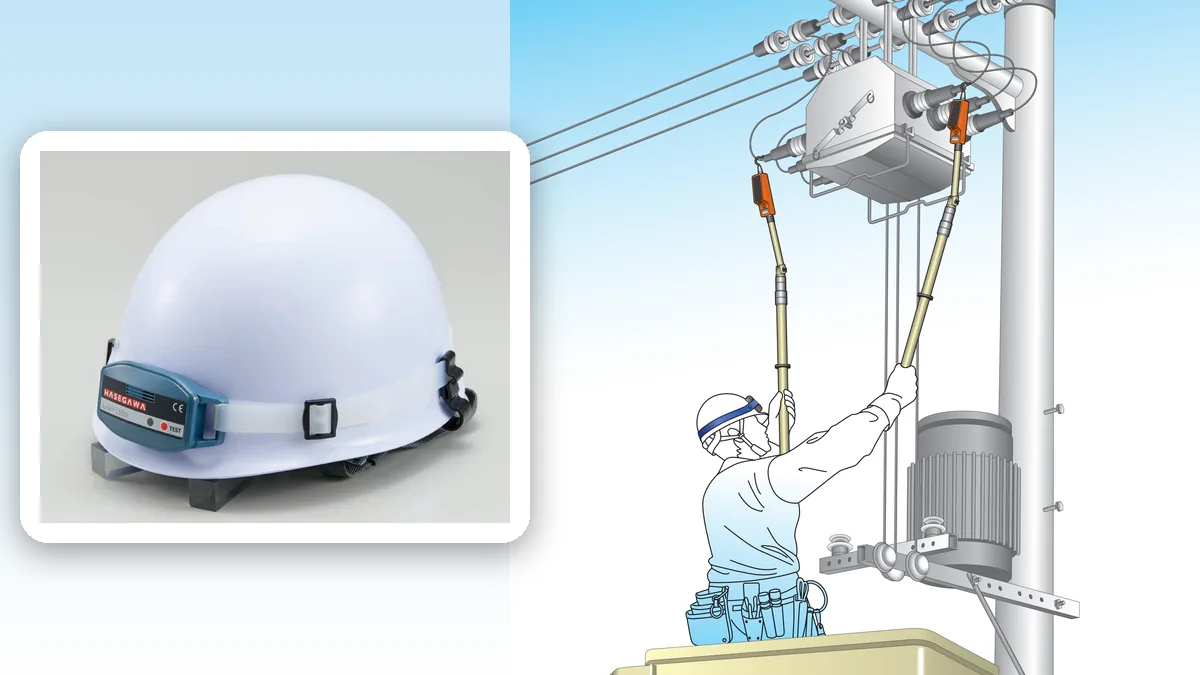
Gives a personal warning when working close to live parts. For wrist, arm and helmet-mounted options, read our proximity alarm guide.
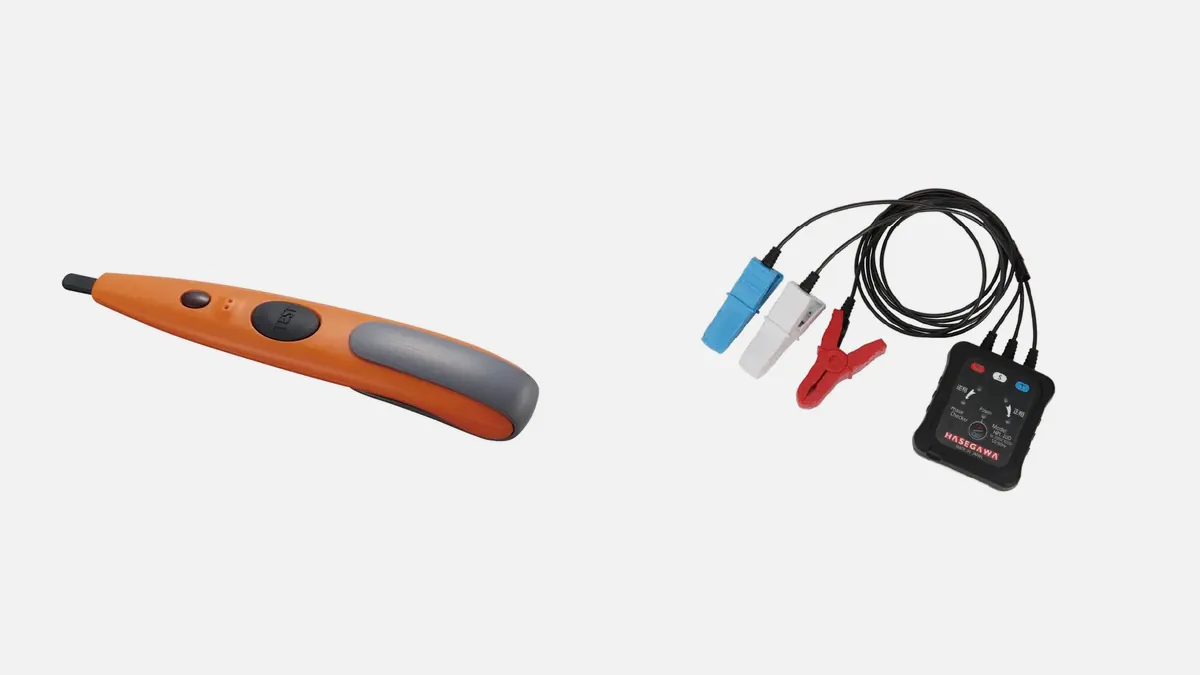
5. Phase tester
Needed to check phase sequence and phase agreement during commissioning, ring closing and parallel feeding. Details: What is a phase tester and how is it used?
6. Discharge stick
Used to drain residual charge from capacitors and cables safely. See What is a discharge stick?
7. Disconnector operating rod
Insulated operating rods are used to open and close disconnectors from a safe distance. For example, HSH-K6 is an operating rod combined with a voltage detector. All options: disconnector operating rods.
8. Personal protective equipment (PPE)
- Insulating gloves rated for the voltage class, with leather protector gloves
- Arc-rated face shield or safety glasses
- Safety helmet suitable for electrical work
- Arc-resistant workwear
- Insulating footwear or boots
- Insulating mat / platform
Quick checklist
| Equipment | Purpose | Check frequency |
|---|---|---|
| Voltage detector | Verifying the dead state | Before every use + periodic |
| Voltage detector tester | Function check of the detector | Before every use |
| Earthing set | Protection during the work | Visual before every use + periodic |
| Proximity alarm | Warning when approaching live parts | Test before every use |
| Phase tester | Phase sequence / agreement | Test before and after use |
| Discharge stick | Draining residual charge | Visual before every use |
Frequently asked questions
How often should equipment be periodically inspected?
Intervals depend on the type of equipment, how intensively it is used, the manufacturer's instructions and your organisation's risk assessment. A visual and functional check before use should always be carried out.
Can I source all of this equipment from a single supplier?
Yes. As the official HASEGAWA distributor in Türkiye, we supply genuine HASEGAWA equipment, from voltage detectors to earthing sets, from a single point on one commercial invoice. Send us your list of requirements via the quote form and we will prepare a combined quotation.