How to Choose a Voltage Detector: Low, Medium and High Voltage Guide
Choosing the right voltage detector depends on system voltage, working distance and site conditions. This guide walks you through the selection criteria step by step.
Every maintenance or fault-repair job on an electrical installation starts by confirming that the circuit really is dead. The only reliable way to do this is with a voltage detector rated for the voltage level you are working on.
1. Identify the system voltage
Voltage detectors are designed for a specific voltage range. A detector used outside its range can give a false result.
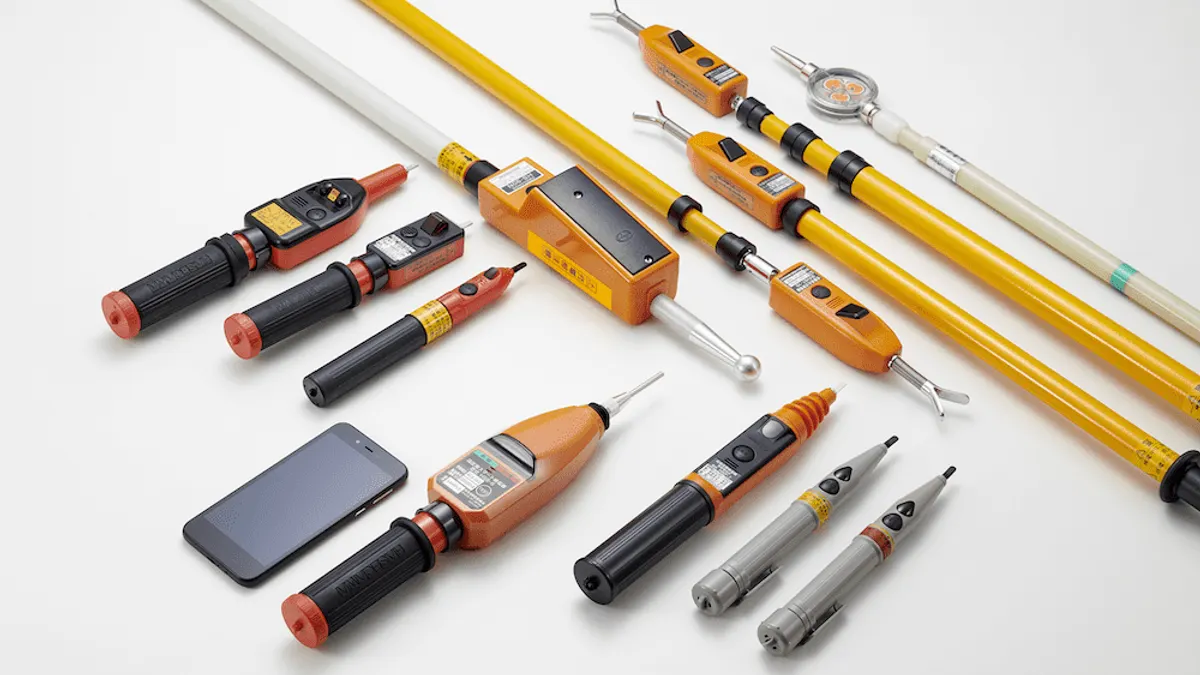
- Low voltage (50 V – 1000 V): pen-type detectors for checking panels, sockets, cables and machinery (e.g. HASEGAWA HTE-610W).
- Medium voltage (1 kV – 36 kV): medium-voltage detectors for distribution networks and substations (e.g. HSE-7G, HSS-36B1).
- High voltage (36 kV – 500 kV): hot stick detectors for transmission lines and switchyards (e.g. HST-170, HSR-500).
2. Consider working distance and the need for an insulating stick
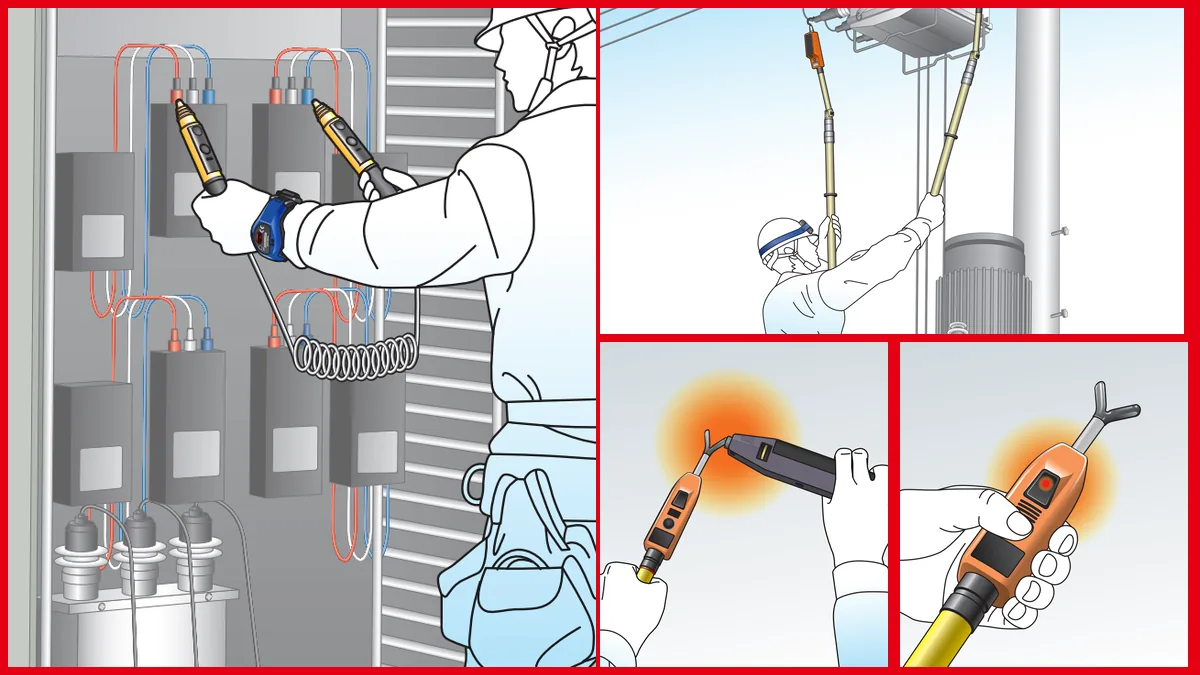
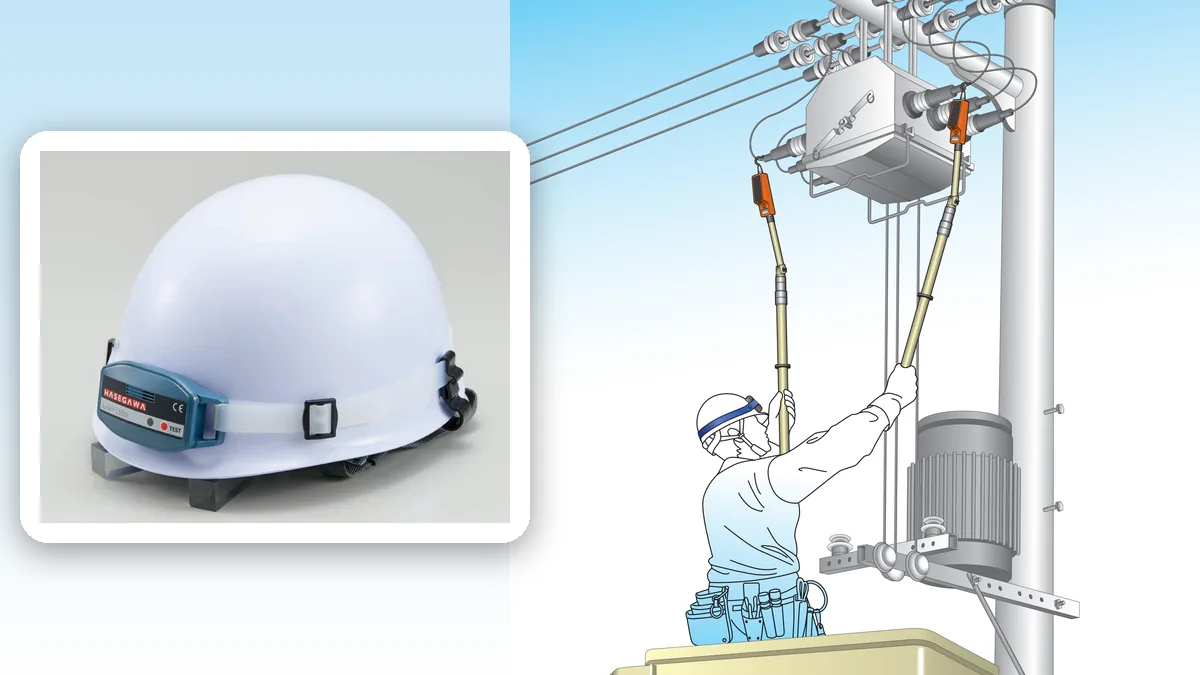
At medium and high voltage, the detector must be used on an insulating stick that keeps the user outside the safe approach distance. Telescopic hot stick models are easy to carry, while universal-joint models work with the operating sticks you already have.
3. Choose a warning system that suits the site
On sunny outdoor sites and in noisy substations, being able to notice the warning is critical. HASEGAWA detectors use a high-brightness flashing LED and an intermittent electronic buzzer to give a clear result even in these conditions. For wet conditions, choose waterproof models.
4. Standards compliance
For international projects, detectors conforming to IEC 61243-1 should be preferred. The HASEGAWA HWB series is manufactured in accordance with this standard.
5. Regular checks
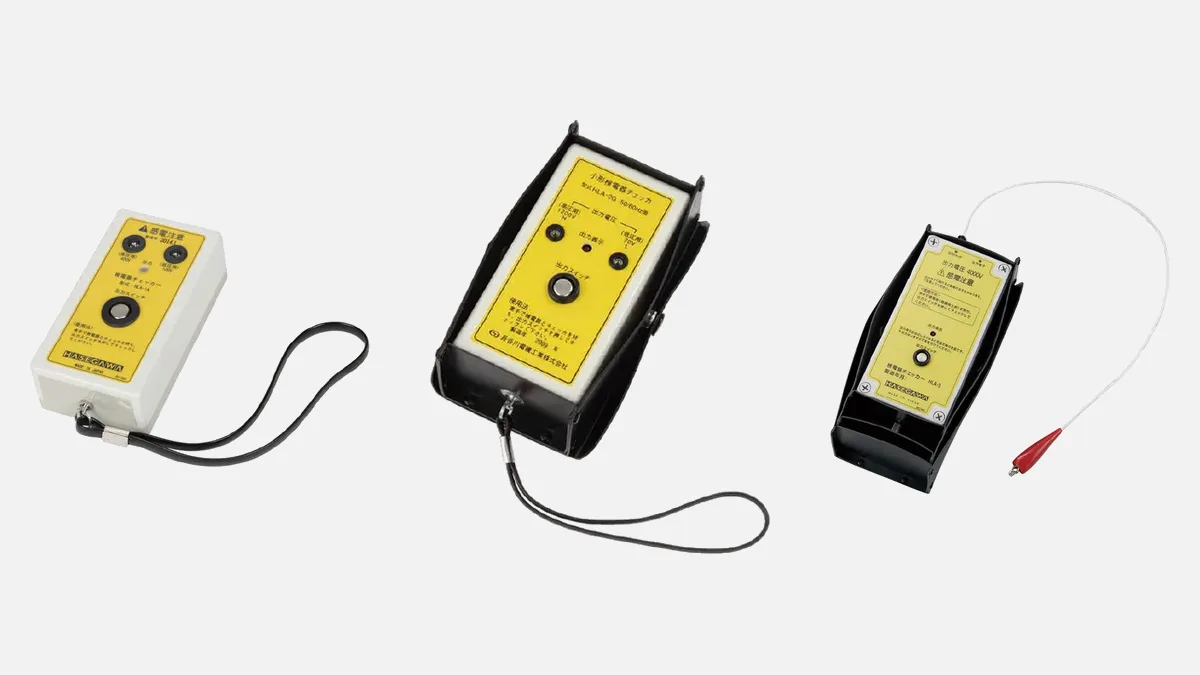
Before every use, confirm that the detector is working. Voltage detector testers (e.g. HLA-3) let you do this on site in seconds.
Conclusion
The right voltage detector is chosen by weighing up voltage range, working distance, site conditions and standards requirements together. Our technical team can help you identify the right model for your project free of charge, and you can request a quotation directly from any product page.