Genuine HASEGAWA for Europe — Commercial invoice for every order · Shipping across Europe
Genuine HASEGAWA for Europe — Commercial invoice for every order · Shipping across Europe
HASEGAWA
Wrist, arm and helmet-mounted personal proximity alarms that warn workers when they approach a live conductor; voltage bands between AC 400 V and 110 kV.
8 products
A proximity alarm (live-line approach warning device) is a personal safety device worn by the worker that detects the electric field of a live conductor without contact and warns of a dangerous approach. It is used by overhead line crews on distribution networks, technicians maintaining medium-voltage cubicles and panels, and contractors working near energised installations. The aim is to provide an additional layer of warning at moments when attention lapses or a live section goes unnoticed.
| Subcategory | Models | Operating voltage | Typical use |
|---|---|---|---|
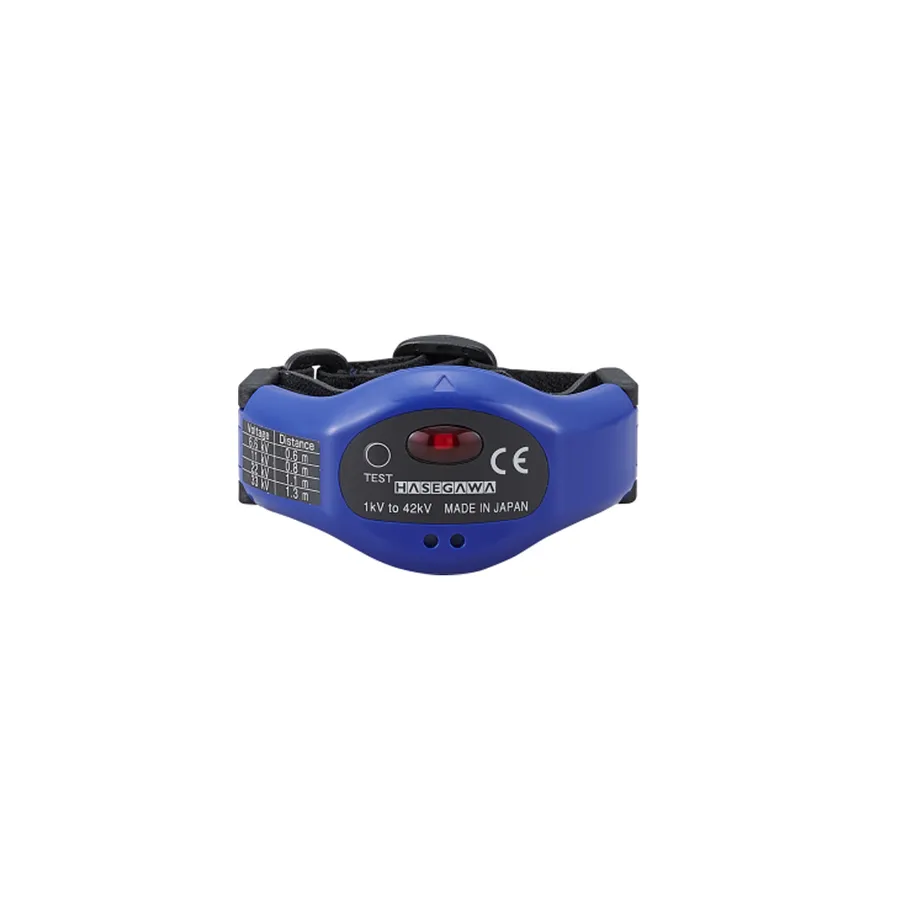
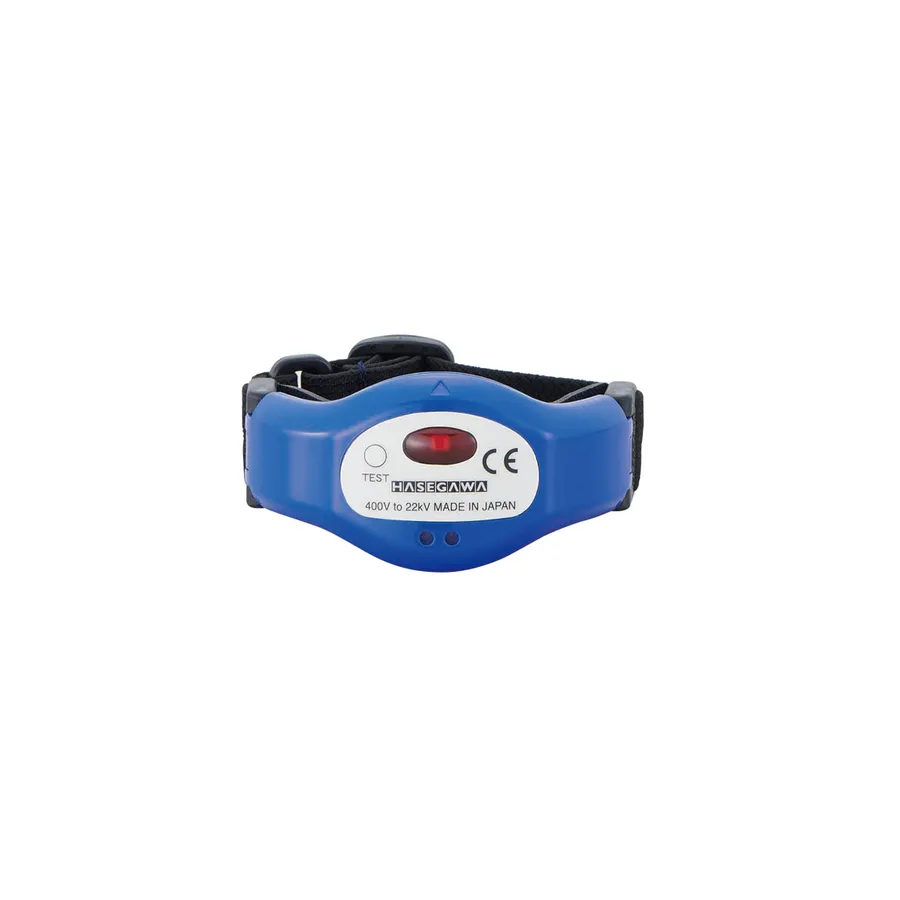
| Wrist Proximity Alarms | HXW-6WL, HXW-6W | AC 400 V – 22 kV / AC 1 kV – 42 kV | Cubicles, panels, distribution installations |
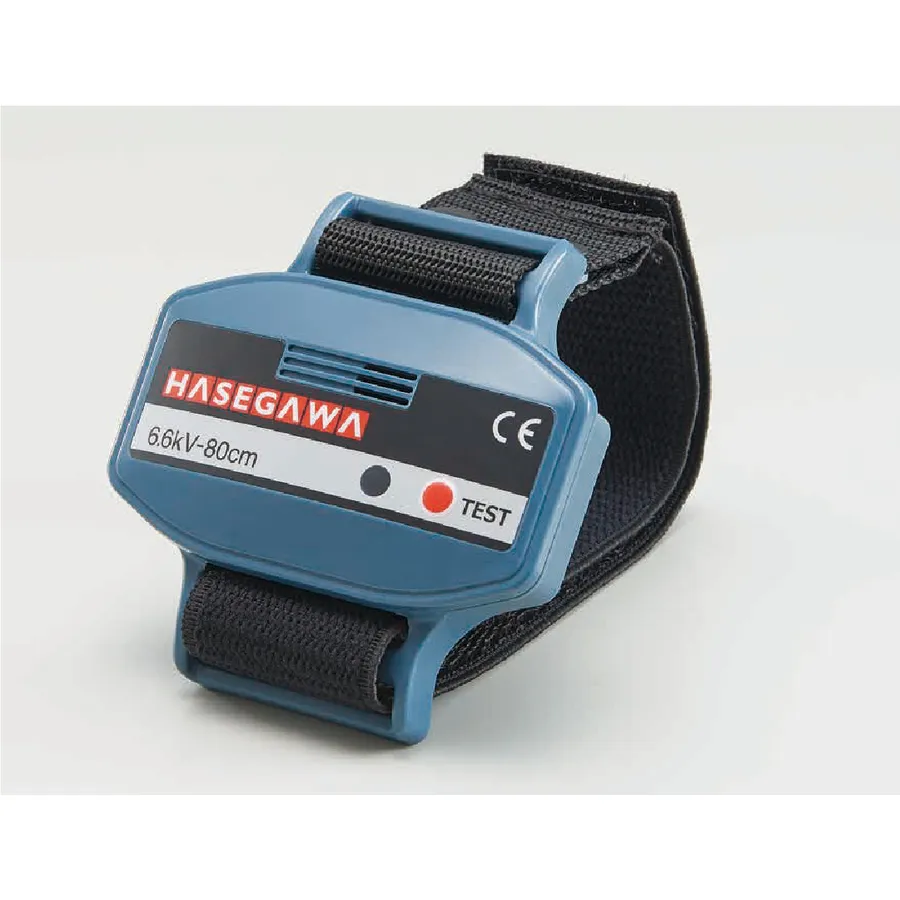
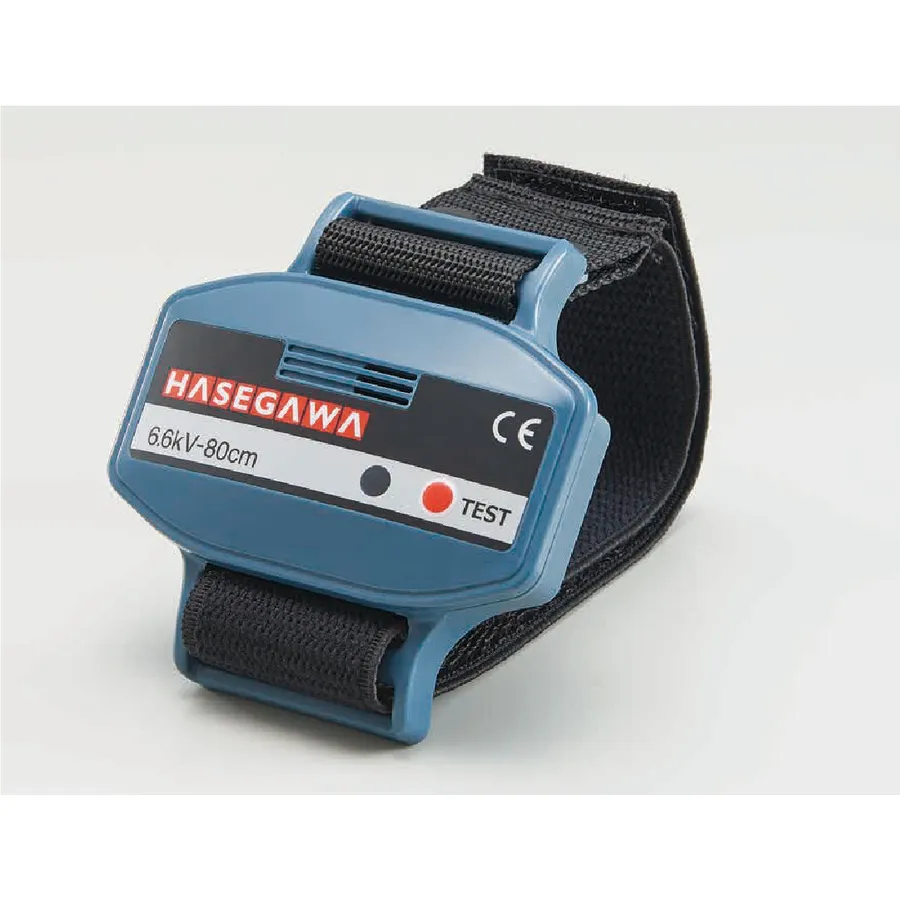
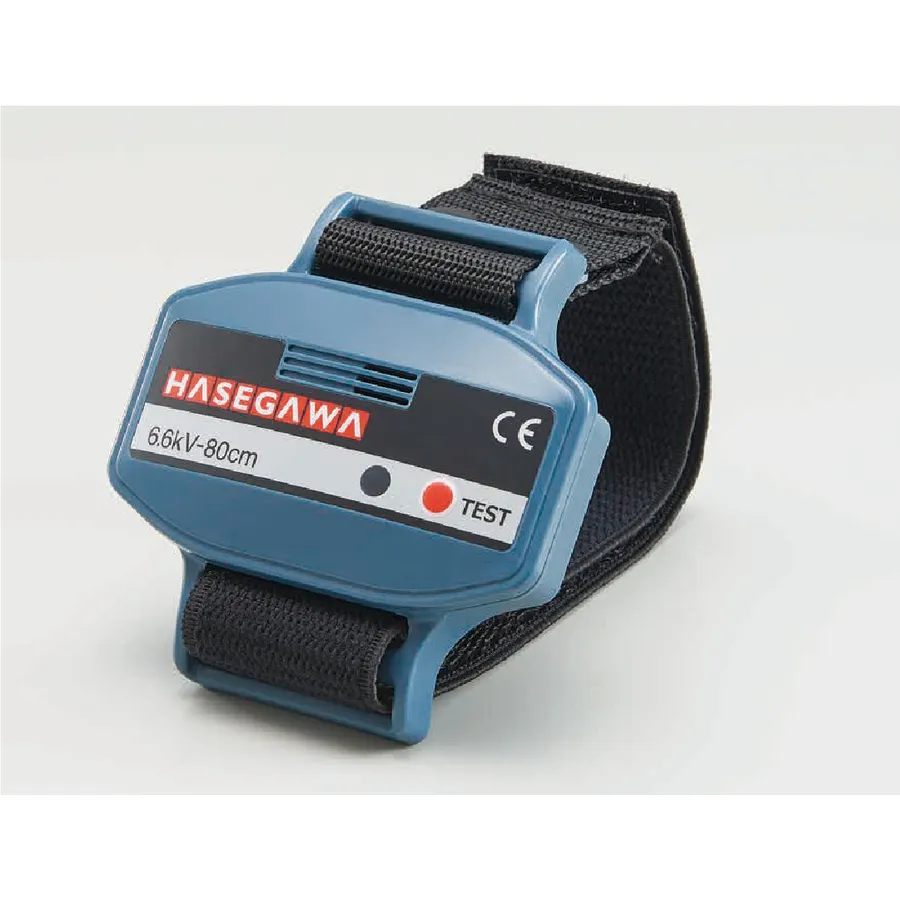
| Arm Proximity Alarms | HXA-6, HXA-30, HXA-70 | AC 6.6 – 33 kV / 11 – 66 kV / 66 – 110 kV | Overhead line work |
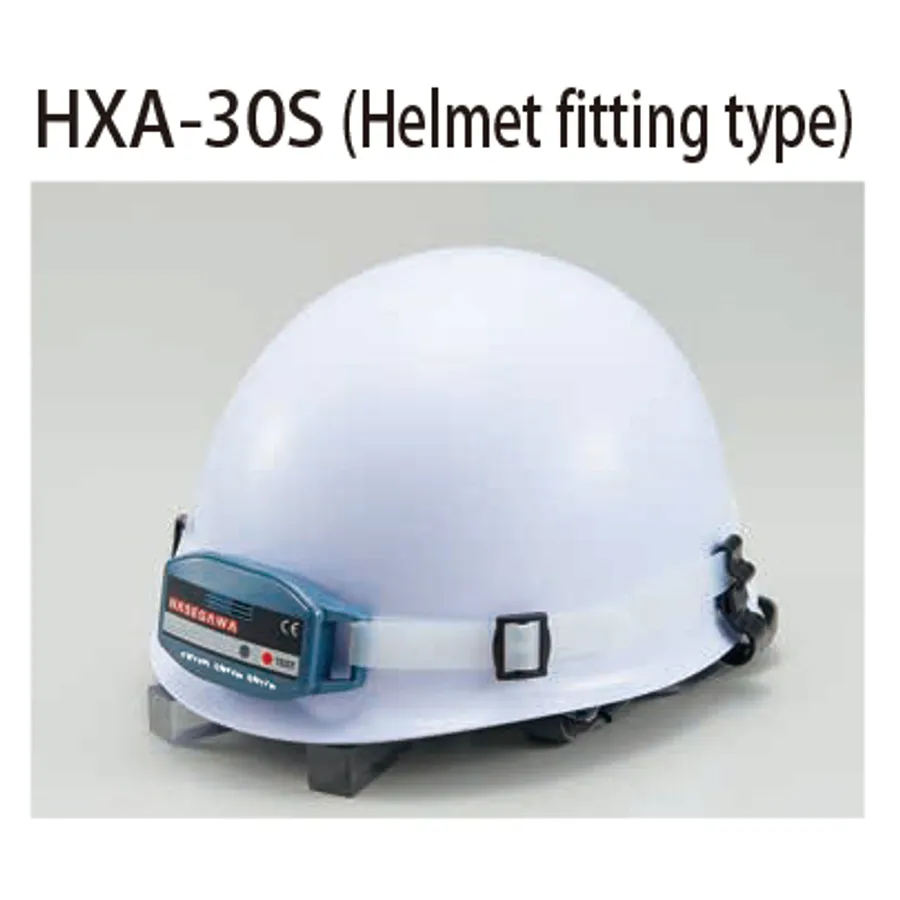
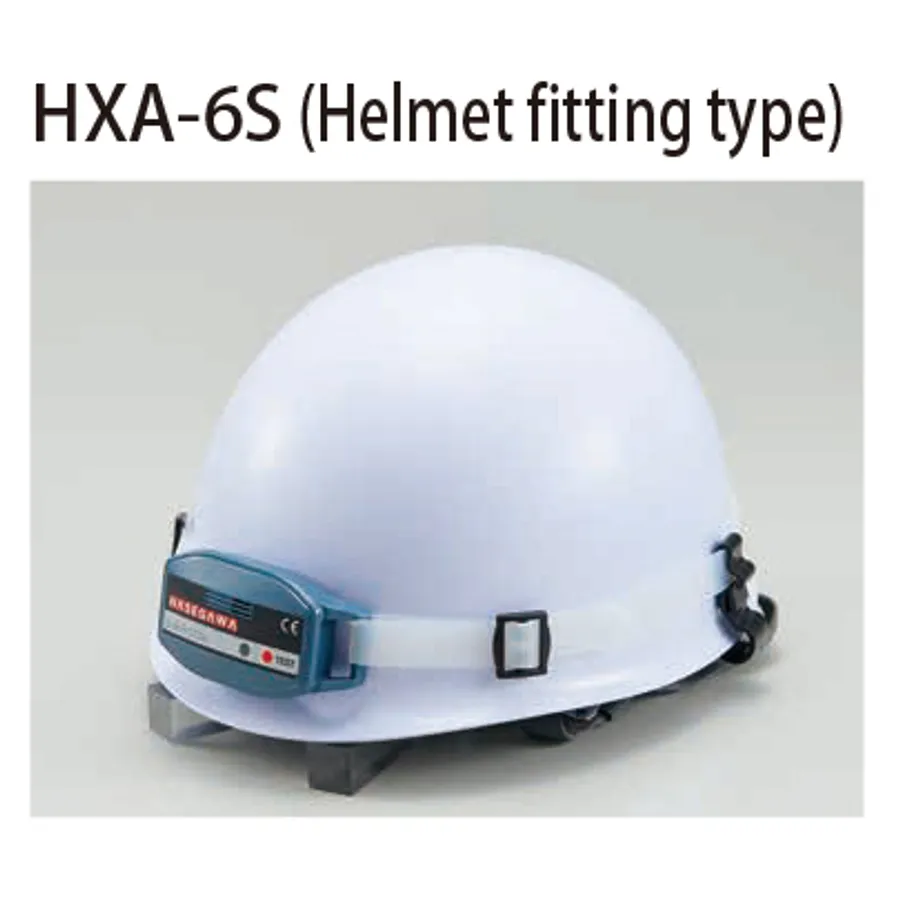
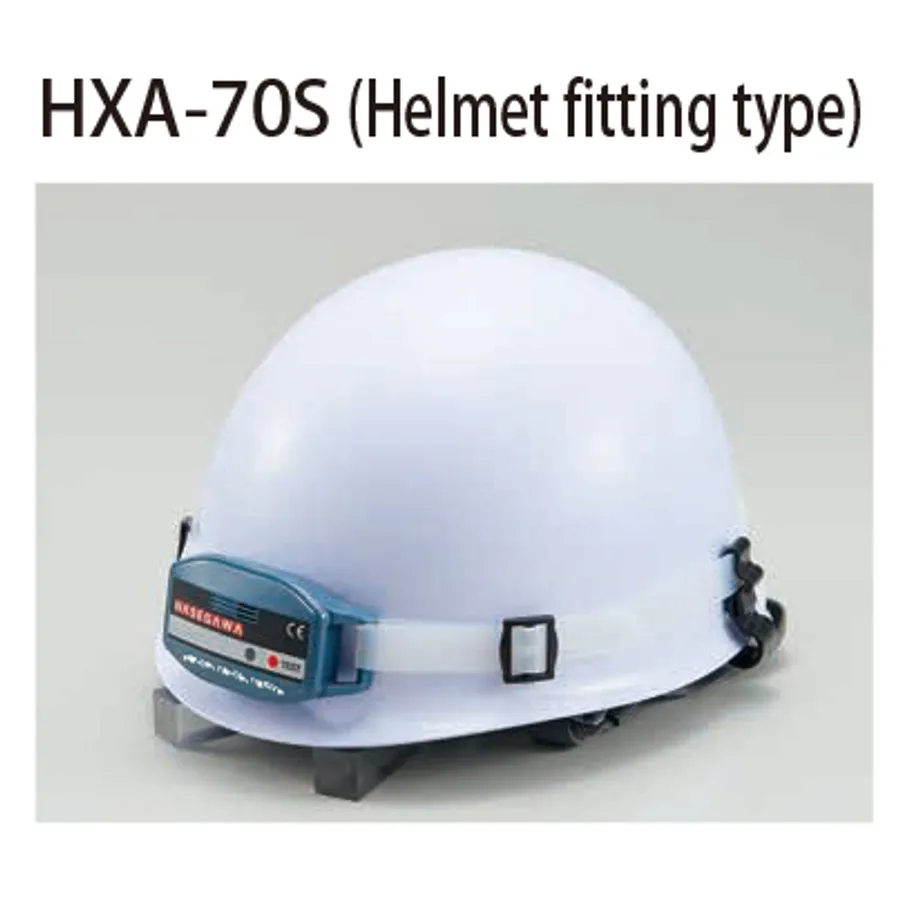
| Helmet Proximity Alarms | HXA-6S, HXA-30S, HXA-70S | AC 6.6 – 33 kV / 11 – 66 kV / 66 – 110 kV | Hands-free overhead line work |
For a general overview, read our article What Is a Proximity Alarm?.
Both types are offered in the same voltage bands; the difference is where they are worn. If your team has standardised on helmet use, the helmet type is suitable; if a warning at the arm is preferred, the arm type is the right choice.
For lines at the boundary of two bands, such as 33 kV or 66 kV, tell us about the other voltage levels your team works on as well; we will determine with you the model that covers all your field scenarios.